
Full Body Massage
Targeted Massage

Book for You
+ 91 99091 18287
+ 91 75679 23040
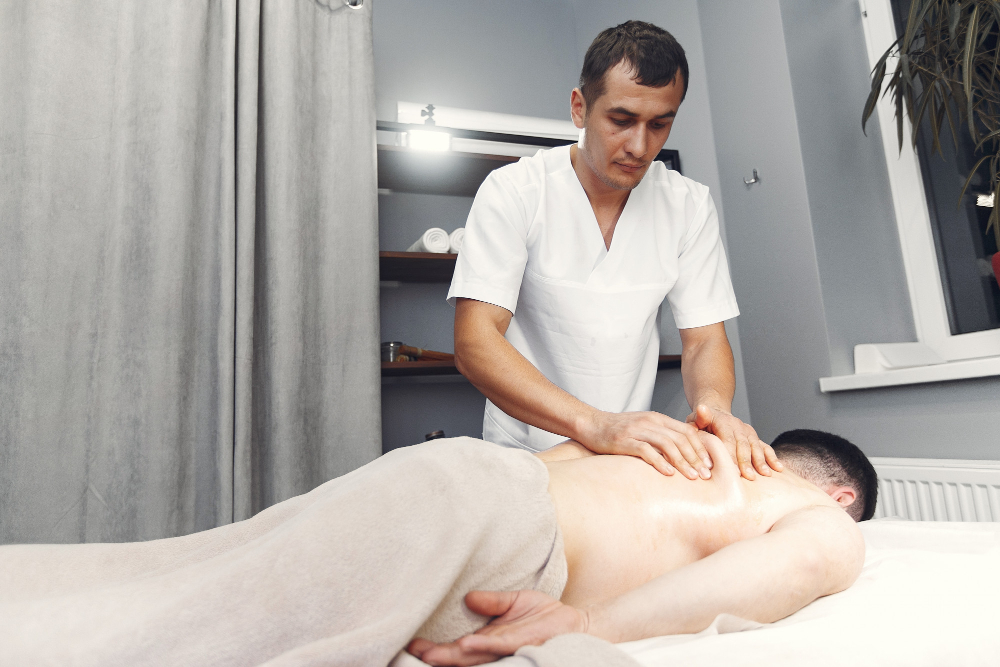
Full Body Massage
Full Body Massage improves overall physical and mental well-being through therapeutic touch and systematic bodywork techniques. It helps in relieving muscle tension, reducing stress, improving circulation, and promoting complete relaxation.
Full Body Massage is a holistic therapy that involves treating the entire body, including the back, shoulders, neck, arms, legs, and feet. Natural massage oils or lotions are used to enhance smooth movements and nourish the skin while delivering therapeutic benefits.
This therapy is considered both a healing practice and a relaxation art. In recent years, wellness centers and medical professionals have increasingly recognized the benefits of regular full body massage for maintaining a healthy lifestyle.
Full Body Massage Benefits
There are several advantages to Full Body Massage. It is said to:
-
Relieve muscle stiffness and tension
-
Improve blood circulation
-
Reduce stress and anxiety
-
Enhance relaxation and mental clarity
-
Promote better sleep quality
-
Ease body aches and joint pain
-
Improve skin texture and tone
-
Boost energy levels
-
Support detoxification
-
Strengthen the immune system
For what duration has Full Body Massage been in use?
Full Body Massage has been practiced for thousands of years across various ancient civilizations. Early forms of massage therapy were used in countries such as India, China, Egypt, and Greece as part of traditional healing systems. These cultures believed that therapeutic touch could improve circulation, relieve pain, and restore balance to the body.
Ancient Ayurvedic texts from India describe massage techniques using herbal oils for healing and relaxation. Traditional Chinese medicine also incorporated bodywork to improve energy flow. Over the centuries, massage therapy evolved and became recognized worldwide as both a therapeutic treatment and a relaxation practice.
In modern times, Full Body Massage is widely accepted in medical and wellness communities for its physical and psychological benefits.
How is a Full Body Massage Treatment Administered?
Full Body Massage is performed by a trained therapist who uses systematic techniques to treat the entire body. The session usually lasts between 60 to 90 minutes, depending on the client’s preference.
The treatment typically includes:
-
Application of massage oil or lotion
-
Gentle warm-up strokes
-
Kneading and circular movements
-
Long gliding strokes across muscles
-
Focus on tension areas such as back, shoulders, and neck
-
Relaxing finishing strokes
What are the Techniques for Full Body Massage?
Effleurage Long, smooth, gliding strokes used to warm up muscles and improve circulation.
Petrissage Kneading and squeezing movements that help release deep muscle tension.
Friction Circular pressure applied to specific areas to relieve stiffness and improve flexibility.
Tapotement Light tapping or rhythmic percussion movements to stimulate muscles.
Stretching Techniques Gentle stretching to enhance flexibility and reduce tightness.