
Sauna Relax
Wellness Therapies

Book for You
+ 91 99091 18287
+ 91 75679 23040
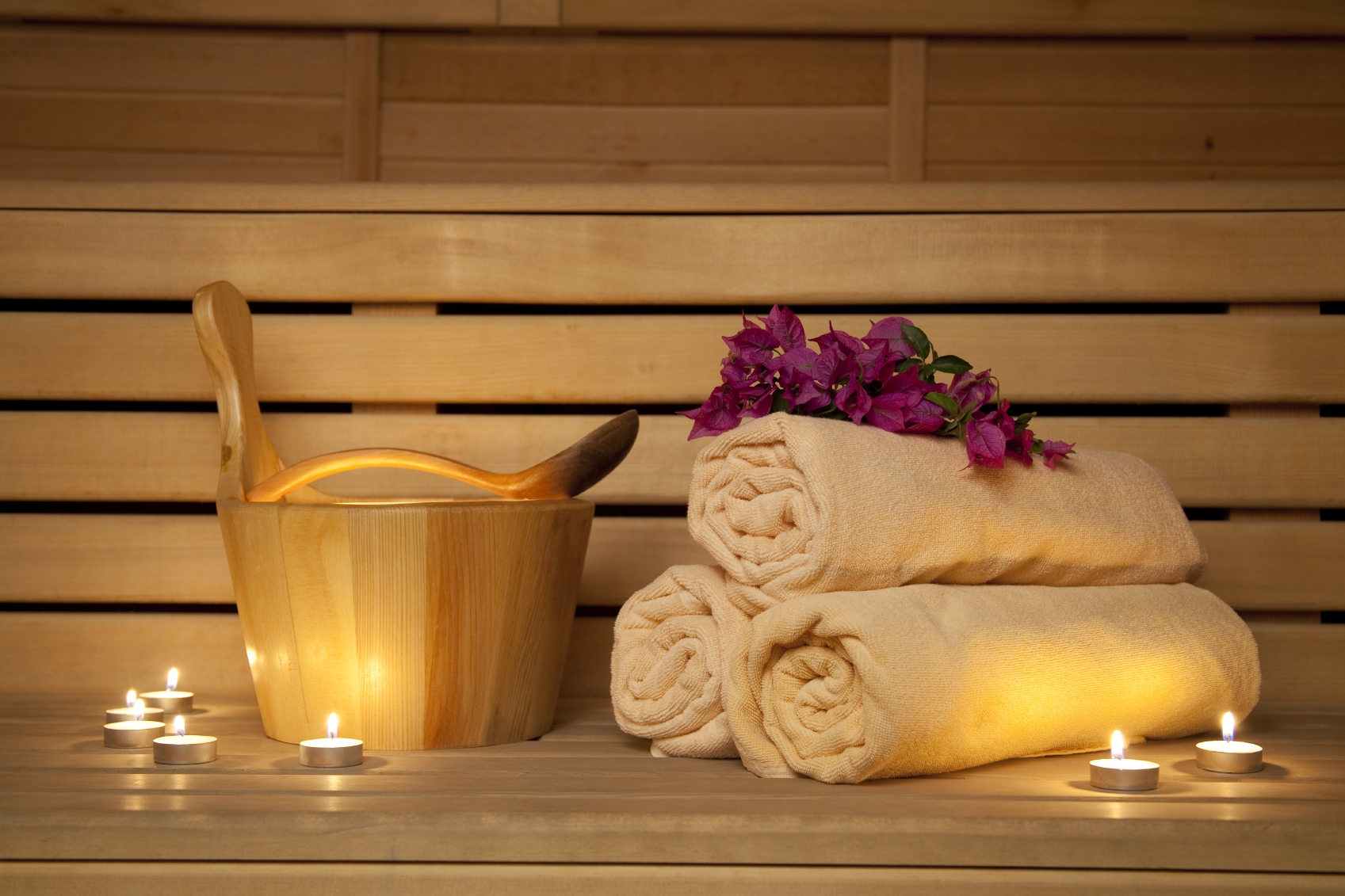
Sauna Relax
Usually heated to a temperature of between 70° and 100° Celsius (158° to 212° Fahrenheit), a sauna is a room.
Dry heat is typically used in traditional Finnish saunas, and the relative humidity is frequently in the range of 10% to 20%. Other types of saunas have more dampness. For example, Turkish-style saunas have higher humidity levels.
The temperature of the skin can increase to about 40° Celsius, or 104° Fahrenheit, after using a sauna.
Excessive perspiration also happens as the skin temperature increases. The body tries to stay cool by increasing the heart rate. It is not unusual to perspire through a pint of perspiration in a short period of time in a sauna.
Possible Health Benefits
Saunas are still in use today, having been for thousands of years. Pain relief, stress reduction, and cardiovascular health enhancement are some advantages of sauna use.
-
Easing pain
-
Improving cardiovascular health
-
Skin problems
-
Reducing stress levels
-
Asthma
Types of Sauna Relex
Depending on how the room is heated, there are many kinds of sauna.
Wood burning The sauna rocks and room are heated by wood. Saunas that burn wood often have a high temperature and low humidity.
Electrically heated Electrically heated sauna are hot and humid, just as wood-burning saunas. The sauna room is heated by a floor-mounted electrical heater.
Infrared room Wood-burning and electrically heated sauna are not the same as far-infrared saunas (FIRS). Certain lamps heat a person's body rather than the entire space by using light waves. Although the temperature is usually lower than in other saunas, the sweating process is the same. The temperature of infrared saunas is typically 60°C.
Steam room Saunas and steam rooms are not the same thing. A steam room uses wet heat and high humidity in place of dry heat.
What should you know before you try an infrared sauna?
There are a few things you should know before indulging in your first session.
-
Infrared sauna use should be avoided after consuming alcohol.
-
It is advisable to postpone using the sauna until you are feeling better if you are sick or have a fever.
-
When you utilize an infrared sauna, perspiration will occur.
-
Extreme situations can result in dehydration or overheating, including heat exhaustion and heat stroke.
Before your first session, acquire your doctor's approval if you have any health issues, such as high blood pressure, heart difficulties, or are receiving medical attention. You shouldn't take any chances when it comes to your health and safety, even if infrared saunas have been determined to be rather safe.
How Much Time to Spend in a Sauna ?
Saunas represent a way of life for many. Saunas can be beneficial to your health, whether you use one to relax or after working out.
In other words, how long and how often should you visit a sauna? We examine advice on what to do, or what not to do, when utilizing one.
How long should I stay in a sauna?
-
For beginners : A sauna should only be used for 5 to 10 minutes at a time.
-
After exercising : After working out, give the sauna at least 10 minutes to empty.
-
At maximum :The sauna should only be used for around 15 minutes at a time.
Avoid going overboard with the sauna socializing, even if some seasoned sauna users—particularly in Finland—may do so. As a general rule, try to limit your time in the sauna to no more than 15 to 20 minutes because the longer you spend there, the higher the chance of dehydration.
Because saunas are meant for relaxation rather for clocking off minutes, the Finnish, from whence the word "sauna" originates, may have an even more straightforward suggestion: Once it's heated enough, exit the sauna.